19 Nov 2026
Synchronizing Loyalty Incentives with Real-Time Decision Charts During Multi-Platform Card Events
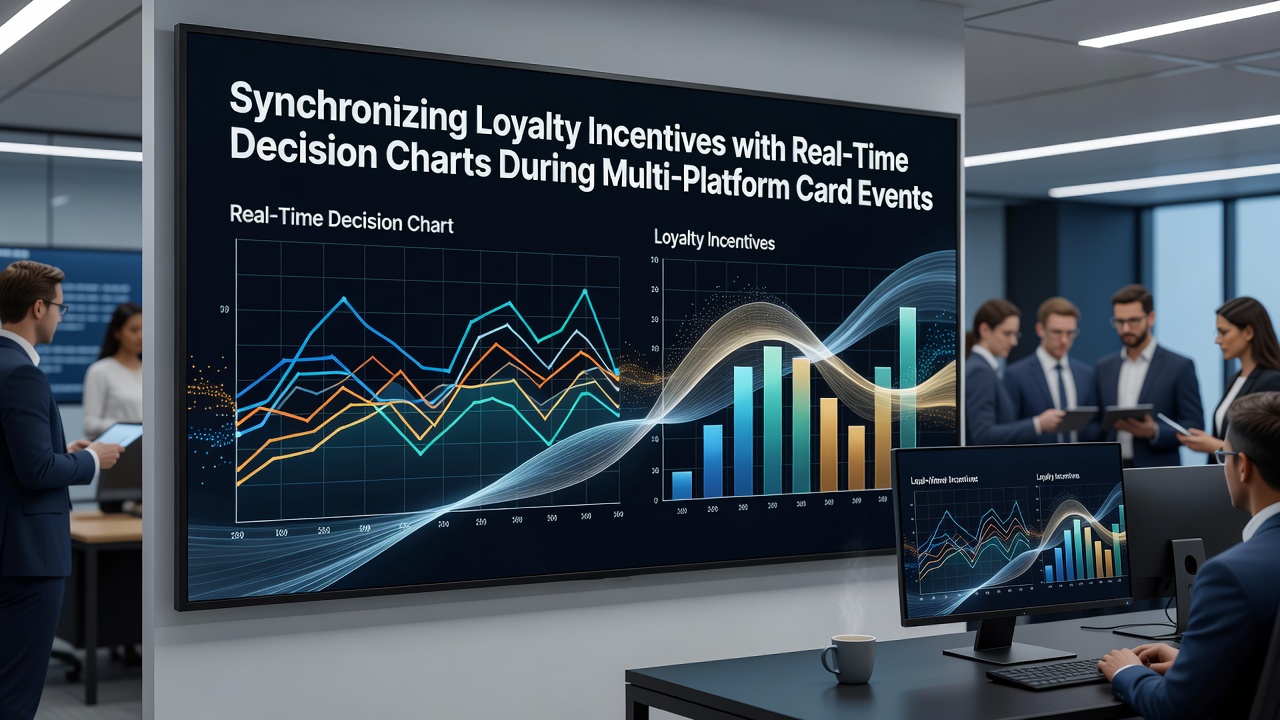
Operators in the card gaming sector have begun integrating loyalty incentive systems directly with real-time decision charts that adjust across desktop, mobile, and live dealer platforms during multi-event tournaments; this synchronization allows player rewards to update based on in-game choices tracked through centralized data feeds. Data from industry reports shows that platforms handling simultaneous events across three or more devices now route loyalty accruals through APIs that pull from strategy visualization tools, ensuring points reflect both participation and adherence to optimal plays displayed in the charts.
Core Mechanics of Integration
Real-time decision charts present players with probability-based recommendations for actions such as hit, stand, or split, while loyalty systems calculate tiered rewards using the same data streams; when a player follows a chart suggestion the system registers an efficiency bonus that compounds with standard play credits. Researchers at academic institutions have documented how these linked systems operate through timestamped event logs that match chart interactions to reward multipliers, creating seamless updates that carry over when users switch from a tablet interface to a live stream lobby without resetting accumulated incentives.
November 2026 marks the scheduled rollout of enhanced cross-platform protocols at several North American and European operators, where loyalty dashboards will display live chart adjustments tied to tournament brackets spanning online qualifiers and in-venue finals. Figures from the Nevada Gaming Control Board indicate that synchronized systems have already reduced discrepancies in reward distribution by aligning player actions with chart data in controlled test environments.
Technical Implementation Across Platforms
Multi-platform card events rely on cloud-based middleware that merges loyalty ledgers with decision engines, allowing the same user profile to receive consistent incentive updates whether the session occurs on a web browser, native app, or integrated live table feed. Those who manage these infrastructures note that data packets containing chart selections travel alongside transaction records, triggering automatic loyalty tier evaluations at the close of each hand or round. Industry associations have reported that operators using unified APIs experience fewer reconciliation errors compared with legacy systems that handled rewards and strategy tools in separate silos.
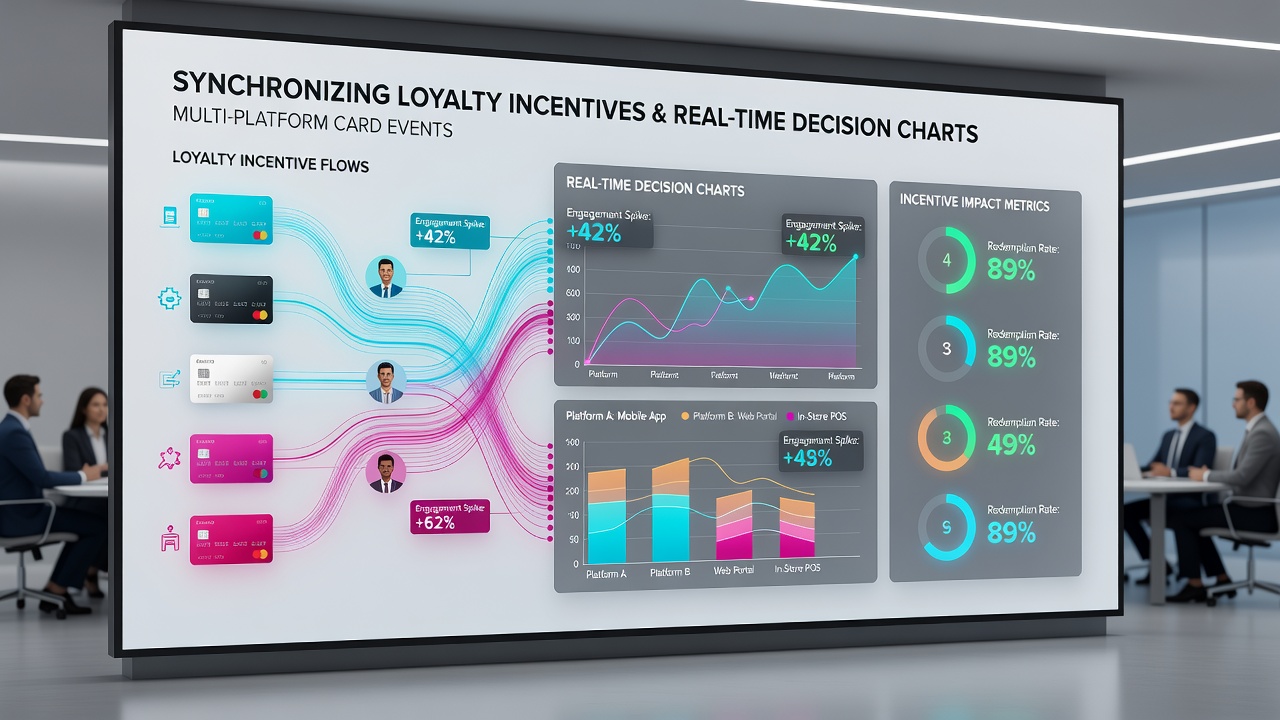
One documented case involved a tournament series where participants earned accelerated points for following chart guidance across qualifying rounds, with the system automatically converting those points into entry credits for final stages; the process required no manual intervention because the decision charts fed directly into the loyalty calculation module. Government regulatory bodies in multiple jurisdictions now require audit trails that capture both chart usage and reward allocations within the same compliance report, ensuring transparency during multi-platform events that may involve thousands of concurrent sessions.
Data Flow and Player Experience
Player profiles store historical chart interactions alongside loyalty balances, enabling the system to surface personalized decision aids that also influence reward velocity; when a user deviates from a recommended play the interface may display adjusted incentive projections without interrupting the game flow. Studies from research institutions reveal that synchronized platforms record higher retention metrics during extended card events because loyalty updates appear in real time alongside the charts, giving participants immediate visibility into how their choices affect both strategy and rewards. External observers have tracked how these integrations reduce the cognitive load of switching between separate applications, since all relevant information resides within a single synchronized view.
Additional examples include progressive jackpot qualifiers where loyalty points earned through chart-guided play contribute directly to leaderboard positioning across mobile and desktop brackets; the underlying engine processes these contributions at sub-second intervals to maintain fairness among participants on different devices. Trade groups representing gaming technology providers have published guidelines that emphasize secure data handoffs between decision chart modules and loyalty ledgers, preventing mismatches that could arise during high-volume tournament periods.
Regulatory and Operational Considerations
Regulatory frameworks in regions outside the UK, including oversight from bodies such as the Alcohol and Gaming Commission of Ontario, require operators to maintain verifiable logs that link loyalty accruals to documented decision chart outputs during multi-platform events. Compliance teams routinely review these logs to confirm that incentive structures do not conflict with game integrity rules, particularly when real-time charts influence both player strategy and reward calculations. Academic papers examining similar systems have highlighted the importance of timestamp synchronization to avoid disputes over point allocations when events span multiple time zones and device types.
Operational teams at larger operators report that maintaining these synchronized environments demands continuous monitoring of API performance, since any lag between chart recommendations and loyalty updates can affect player trust during time-sensitive tournaments. Data indicates that platforms investing in robust middleware solutions achieve more stable reward distribution across desktop qualifiers, mobile side events, and live final tables.
Conclusion
Synchronization of loyalty incentives with real-time decision charts continues to evolve as multi-platform card events expand in scale and complexity; the technical linkages now in place allow rewards to reflect player decisions with precision across devices and formats. Ongoing developments scheduled for late 2026 will further refine these connections, supported by regulatory requirements and industry standards that prioritize accurate data flow and transparent reporting. Observers tracking these advancements note that the combined systems deliver consistent experiences for participants while meeting operational demands of large-scale tournaments.